Can you imagine waking up to the gentle glow of smart lighting that gradually brightens to mimic the sunrise? Immediately after your favorite morning playlist streams through built-in speakers around the house. As you head to your kitchen, the coffee maker starts brewing a perfect cup based on your own settings, the window shades automatically open, all the while your digital assistant gives you a heads up from your calendar on the day ahead all right before you were able to have your sip of coffee.
These smart home technology trends are all possible today. Technology is revolutionizing the way we live, work, and play. This is now more than ever evident than in our homes. If you want to incorporate smart home technology into your home remodel, We’ve put together some of the latest trends for you to consider during your next remodel.
Smart Kitchens
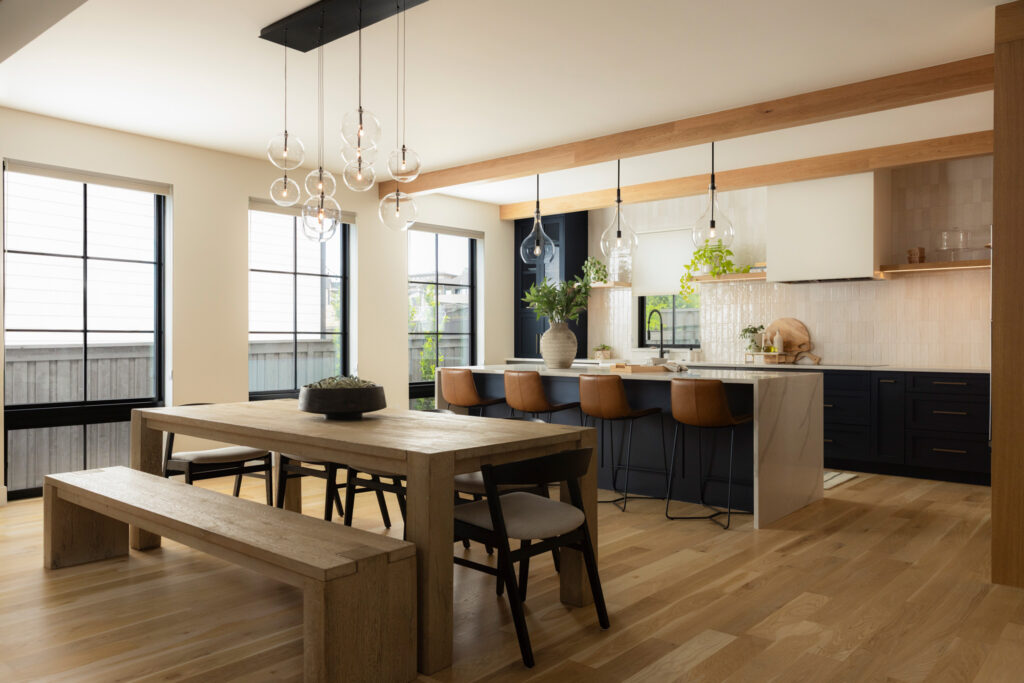
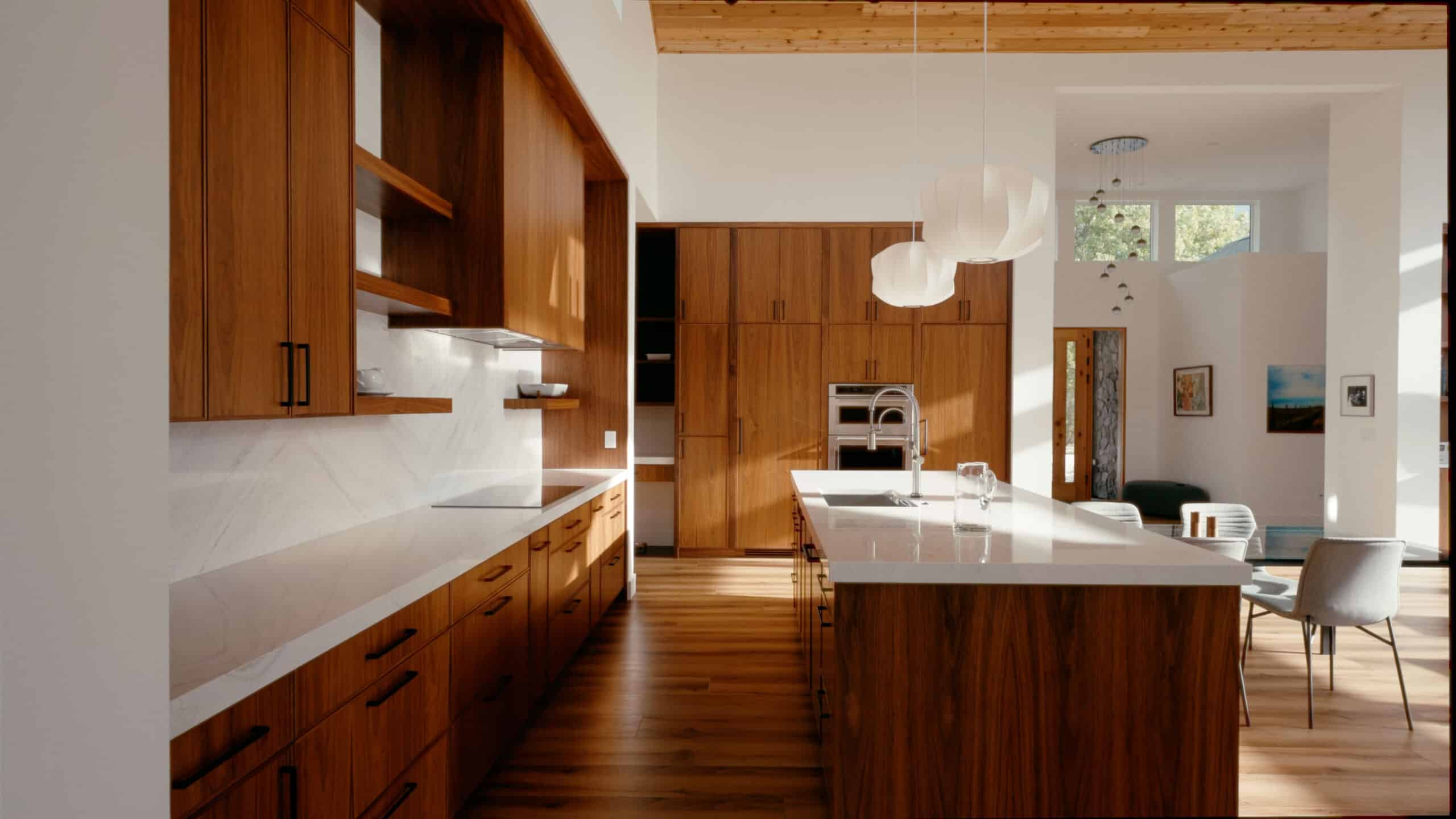
There are many items that make a kitchen “smart” by the standards over 75 years ago. These include dishwashers, electric ovens, and recently, microwaves.
Some smart kitchens include:
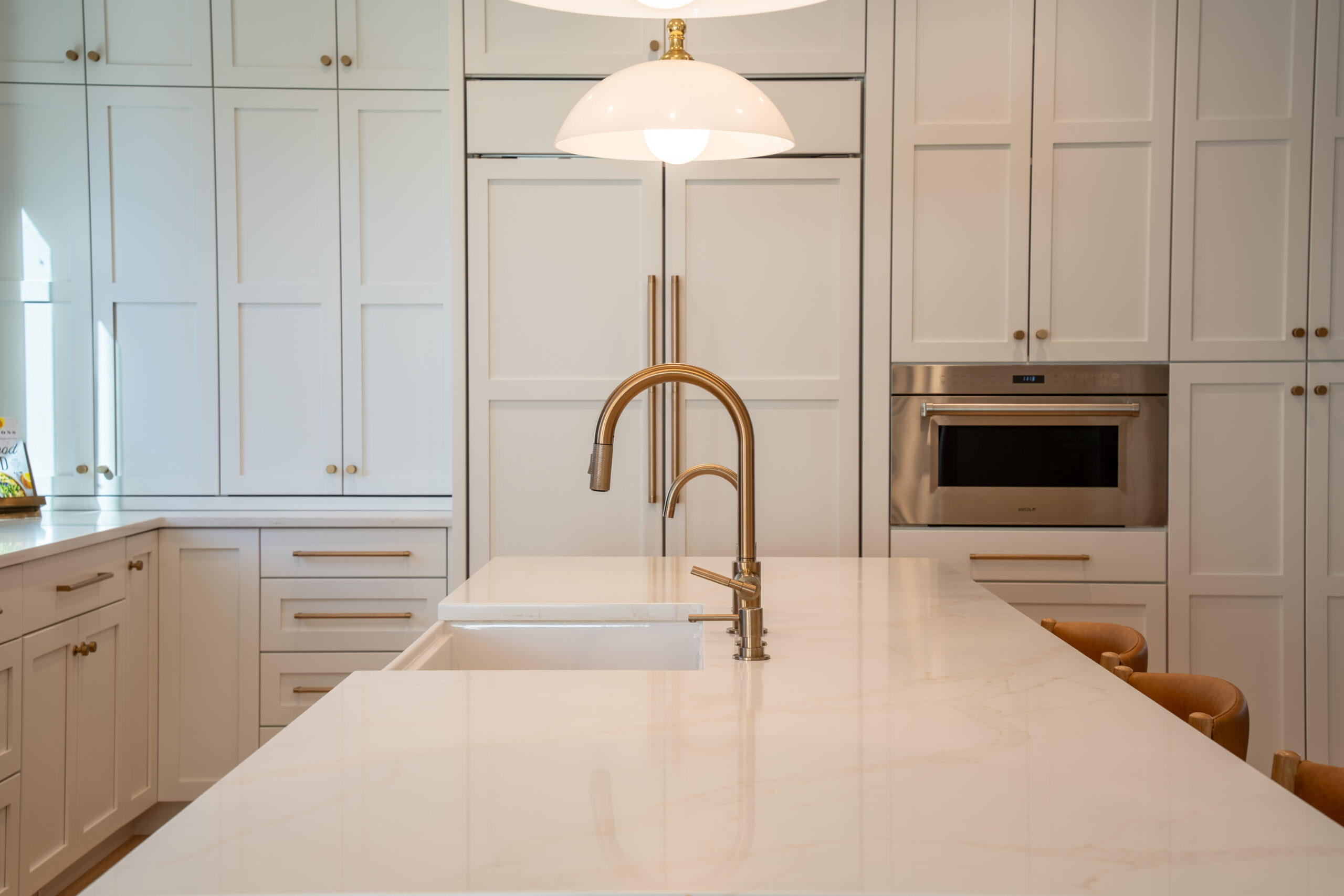
- Smart appliances: This category is broad, covering refrigerators with built-in touchscreens and speakers, and ovens with Wi-Fi connectivity. These smart appliances are changing the kitchen experience to allow for more flexibility. Homeowners can remotely control these appliances with smartphone apps, allowing them to remotely preheat the oven, adjust temperatures, or check what’s inside of our fridge from anywhere.
- Voice-activated assistants: More kitchens appliances are implementing voice-activated controls. There’s Amazon’s Alexa, and Google’s Assistant, and Bixby. There’s also some higher luxury all home interconnected systems like josh.ai which can control all aspects of smart items in your homes but focuses on security.
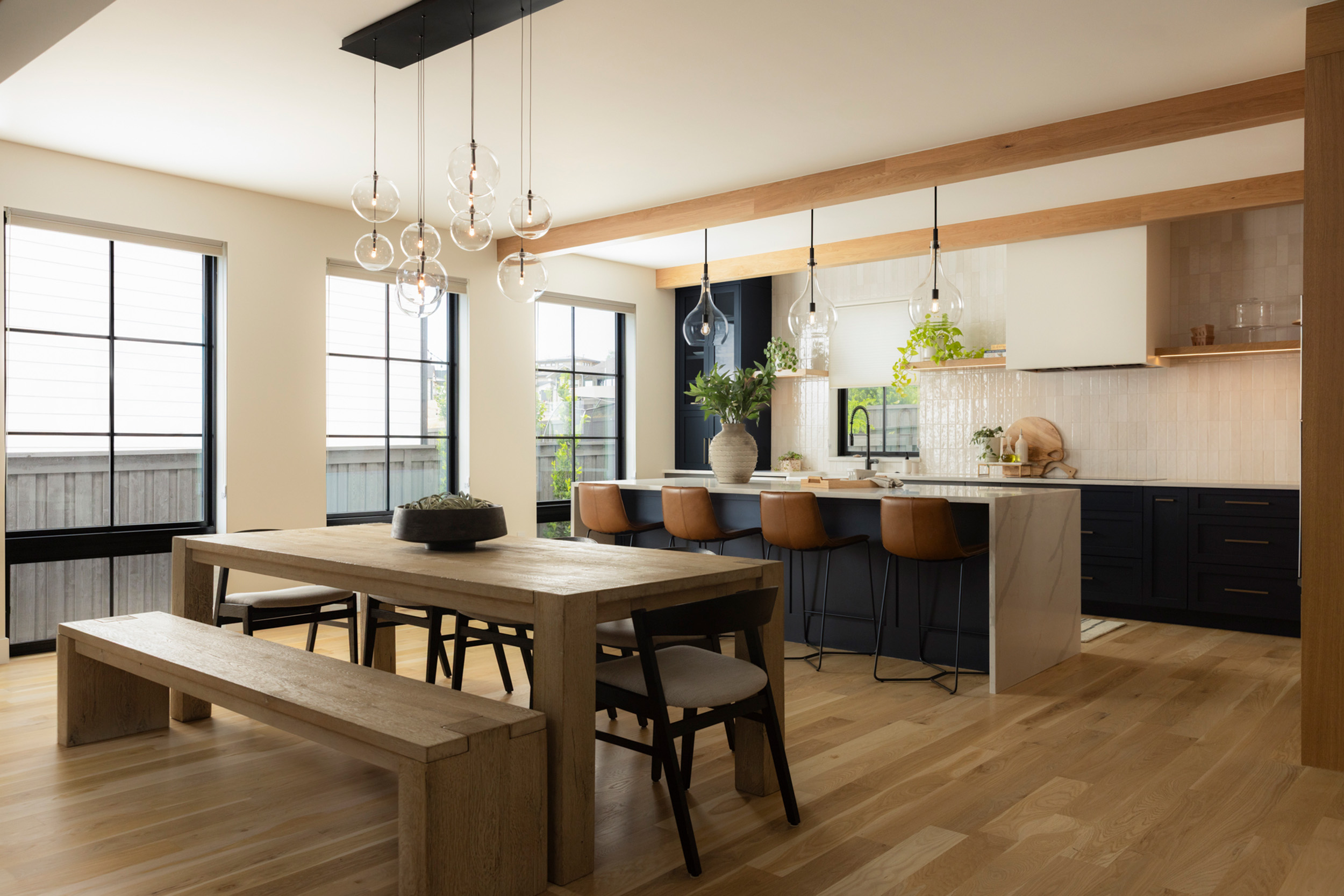
- Smart lighting: Energy efficient LED lighting systems have controllable color temperature and dimming abilities. These are becoming the standard in modern kitchens. Homeowners can have the lighting color temperature change throughout the day to feel more connected with the cycles of the sun.
Some downsides to smart kitchens
- Higher Cost
- Data privacy and security risks
- Requires the Internet and high bandwidth.
Smart Bathrooms:
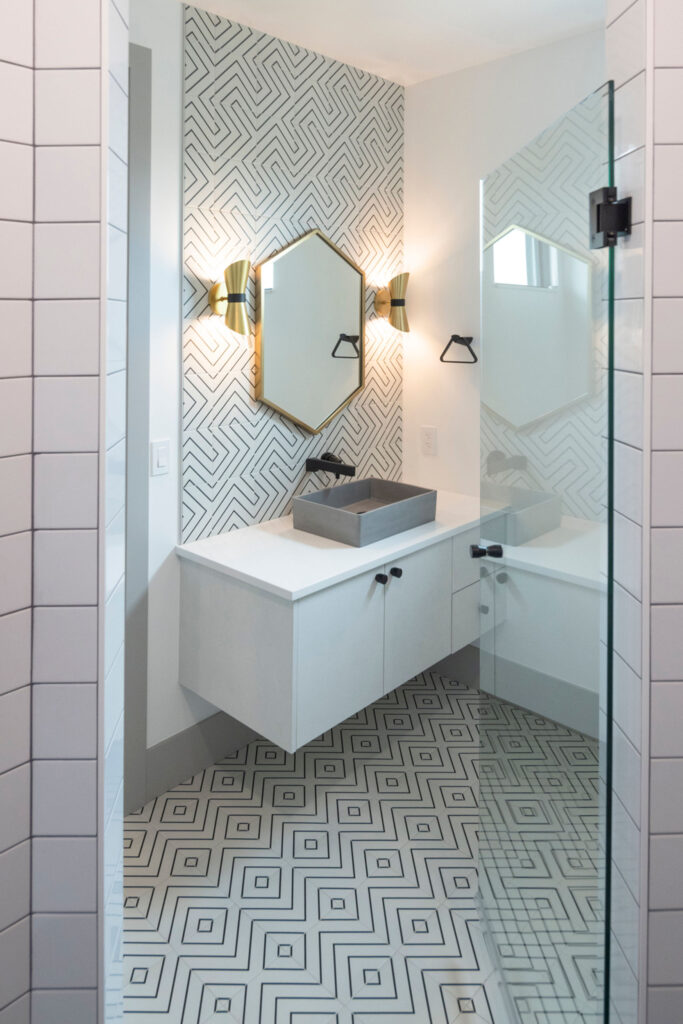
How smart can a toilet be? The answer might surprise you. This technology is transforming the experience with personal hygiene, and relaxation.
- Smart Toilets: Smart toilets can come equipped with featured heated seats, bidet functionality, and automatic flushing are gaining popularity among homeowners seeking luxury and comfort in the bathroom.
- Digital shower systems: Digital shower systems allow users to customize water temperature, pressure, and the specific spray patterns with precision, creating a personalized showering experience tailored to individual preferences.
- Smart Mirrors: Smart mirrors with integrated LED lighting, touchscreen interfaces, and built-in speakers are transforming the bathroom vanity into a high-tech hub for grooming, entertainment and information access.
We love the idea of smart bathrooms, but make sure to consider the potential drawbacks:
- Maintenance requirements and part availability for any “smart” systems
- Installation complexity
Intelligent Living Spaces

Besides kitchens and bathrooms, technology is shaping the way we interact with our entire living environment. Consider these overarching trends and innovations in intelligent living spaces:
- Home automation systems: Integrated home automation systems allow homeowners to control lighting, HVAC, security cameras, and entertainment systems from a centralized hub or smartphone app. This provides seamless connectivity and control throughout the home.
- Energy management solutions: Smart thermostats, solar panels, and energy monitoring systems help homeowners optimize energy usage, reduce utility bills, and minimize environmental impact.
- Health and wellness technologies: With an increased focus on health and wellness, homeowners are incorporating technologies like air purifiers, water filtration systems, and indoor gardening solutions into their remodeling projects to create healthier living environments.
What are the downsides to intelligent living spaces? They could come with:
- Increased vulnerability to cyber threats and data breaches
- Potential system malfunctions or compatibility issues
- Initial setup costs and ongoing maintenance expenses
Expert Insight: What to Install and What to Skip
On our Podcast, we had Alan Crowder from Digital Home Colorado come and speak about what to install in a “smart” home. Alan Crowder also goes into some brands that you should stay away from when installing smart home products. He goes into some of the “smart” products that died and why an expert installer is on the front end of what “smart” tech can do.
Some items that Digital Home Colorado recommends:
For the AI Control System: Josh AI
Lighting Fixtures: Lutron
Get in Touch
Fill in the form. Someone on our team will get back to you within 24 Hours.